API Reference · v2.4
POST /v2/deployments
# Create a new deployment
Authorization: Bearer {token}
Content-Type: application/json
{
"name": "prod-v2",
"region": "us-east-1",
"replicas": 3
}
✎ needs rate limit note
Information Architecture
Getting Started
Authentication
Core Concepts
API Reference← restructured
SDKs & Libraries
Changelog
move auth before concepts — reduces bounce
docs.platform.io
Overview
Quick Start
Authentication
Endpoints
Webhooks
Rate Limits
Errors
Changelog

Our support tickets dropped 40% the week the new docs went live. Engineers stopped asking questions the docs already answered.

MR
Marcus Reid
Engineering Director, Lattice

microservices → unified mental model → clear navigation

↗ arch diagram
Technical Writing · Portfolio

Complex systems
become clear
sentences.

API references sculpted into developer-friendly prose. Migration guides that read like confident maps. Documentation that ends support tickets before they start.

Series B clients·DevRel partnerships·Enterprise SaaS
Scroll
Selected Work

Case Studies

Each project is a system made legible. Click any artifact to see the editorial reasoning.

API Reference · Migration Guide·Meshworks

API Documentation Overhaul

Meshworks

The Problem

Meshworks shipped a v2 API with 47 breaking changes and no migration guide. Support volume tripled in two weeks. Engineering directors were fielding questions that documentation should have answered. The existing reference was auto-generated from OpenAPI specs — technically accurate, humanly unreadable.

The Process
  1. 01Conducted a content audit: 312 endpoints documented, 0 with usage examples, 14 with incorrect parameter descriptions.
  2. 02Interviewed 6 integration engineers to map the 12 most common implementation paths through the API.
  3. 03Rewrote the reference architecture: concepts first, authentication second, endpoints organized by workflow rather than resource type.
  4. 04Built a migration guide structured as a decision tree: "if your app does X, change Y to Z" — not a changelog.
  5. 05Added runnable code examples in 4 languages for every endpoint that handles authentication or pagination.
The Outcome

Support tickets referencing documentation dropped 58% in the first month. The migration guide was shared internally by 3 engineering teams as the canonical reference for the v2 transition.
−58%
Support tickets
4 days → 1.5
Avg. integration time
312
Endpoints documented
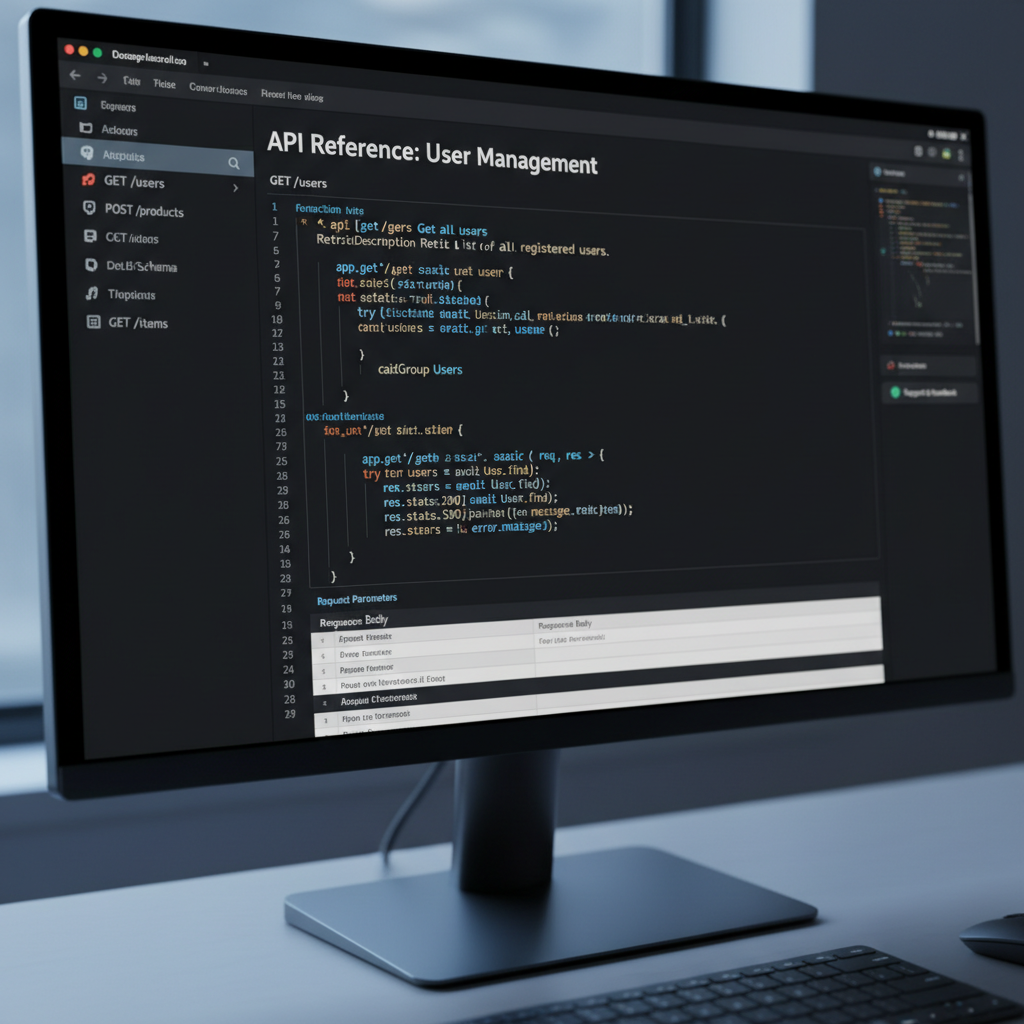
Code editor showing API documentation with syntax highlighting
before after
Endpoint Documentation

Reorganized from resource-centric to workflow-centric. Developers navigate by what they're trying to do, not what the API is.
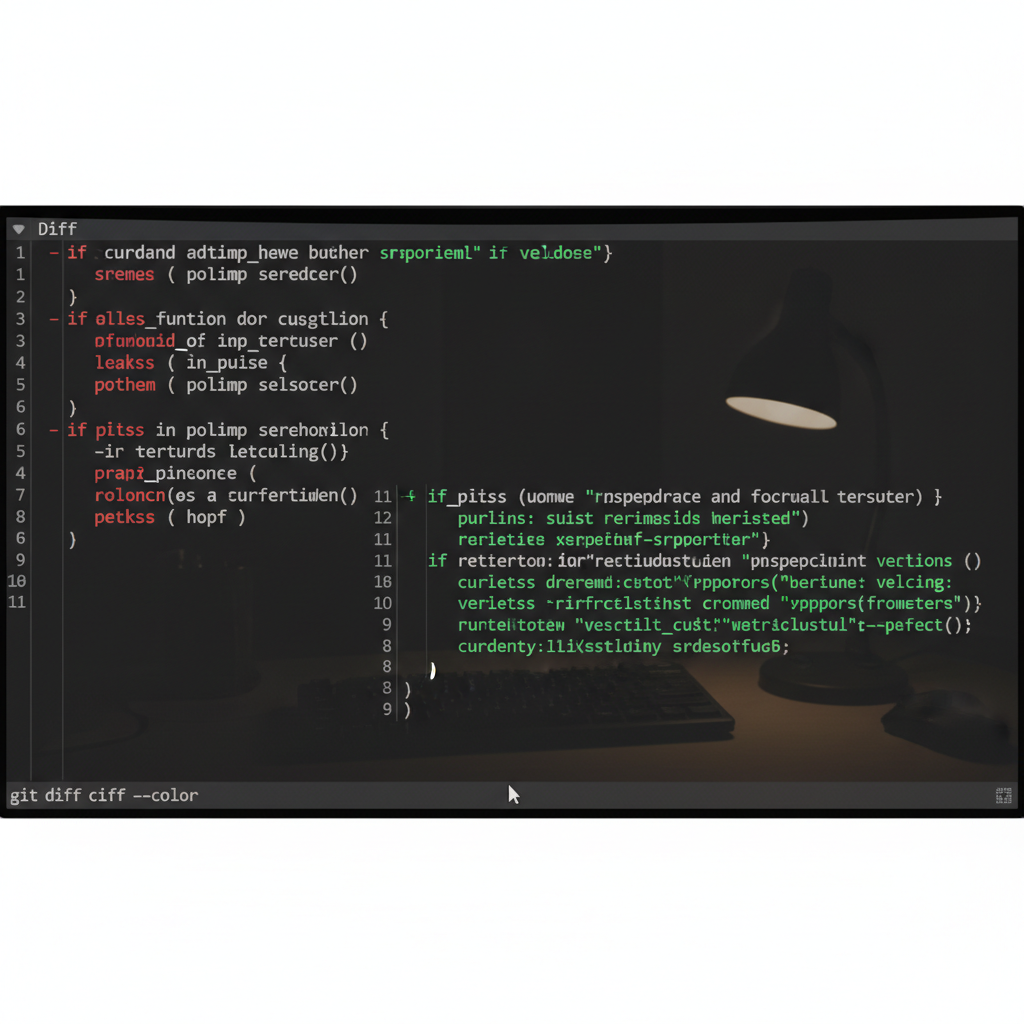
Terminal showing code diff with green additions and red deletions
diff
Migration Guide Diff

The original changelog listed changes chronologically. The rewrite organizes by impact — what breaks, what changes behavior, what is deprecated but still works.
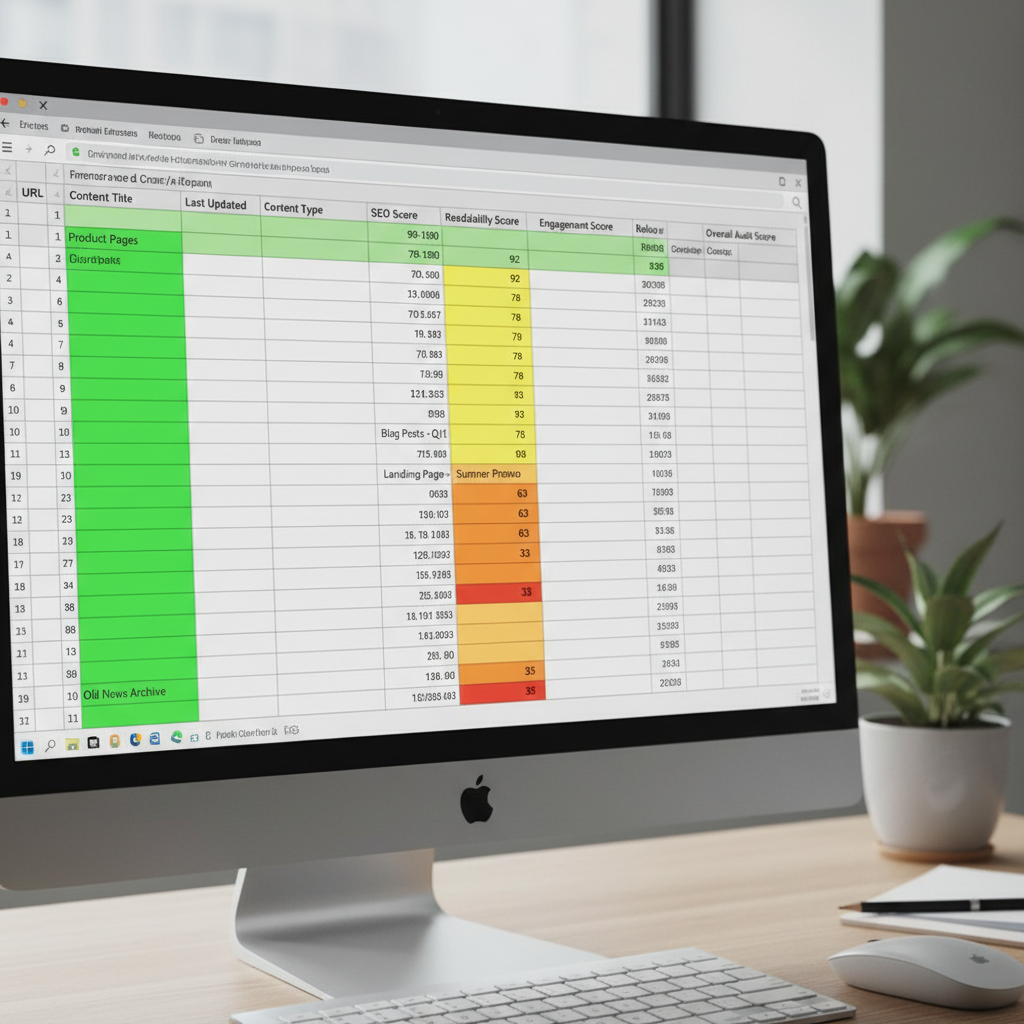
Spreadsheet with color-coded rows showing content audit scores
audit
Content Audit Spreadsheet

Every endpoint scored on: accuracy, example coverage, error documentation, and cross-reference completeness. Prioritized rewrites by traffic × missing coverage.
Live Diff Preview
- Returns error code 400 if invalid
+ Returns 400 Bad Request with error object:
+ code: "INVALID_PARAM"
+ field: "region"
+ message: "Must be one of: us-east-1, eu-west-1"
Onboarding · Conceptual Docs · Style Guide·Sift Labs

Developer Portal Launch

Sift Labs

The Problem

Sift Labs was launching their developer platform publicly after 18 months in private beta. Their internal Notion pages — written by engineers for engineers — were the only documentation. The DevRel team had three weeks and no documentation infrastructure.

The Process
  1. 01Ran a three-day documentation sprint: inventoried all internal Notion pages, Slack threads, and onboarding calls for tacit knowledge.
  2. 02Defined the information architecture from scratch: four tiers — Quick Start, Core Concepts, How-to Guides, Reference.
  3. 03Wrote the Quick Start guide to get a developer from signup to first successful API call in under 8 minutes (tested with 4 external developers).
  4. 04Developed a style guide covering voice, code example conventions, error message format, and versioning language.
  5. 05Documented the conceptual model of Sift's event pipeline — the mental model developers needed before the reference made sense.
The Outcome

The developer portal launched on schedule. The Quick Start guide achieved an 84% completion rate in the first month — compared to a 23% industry benchmark for onboarding documentation.

84%
Quick Start completion
< 8 min
Time to first API call
94
Docs pages written
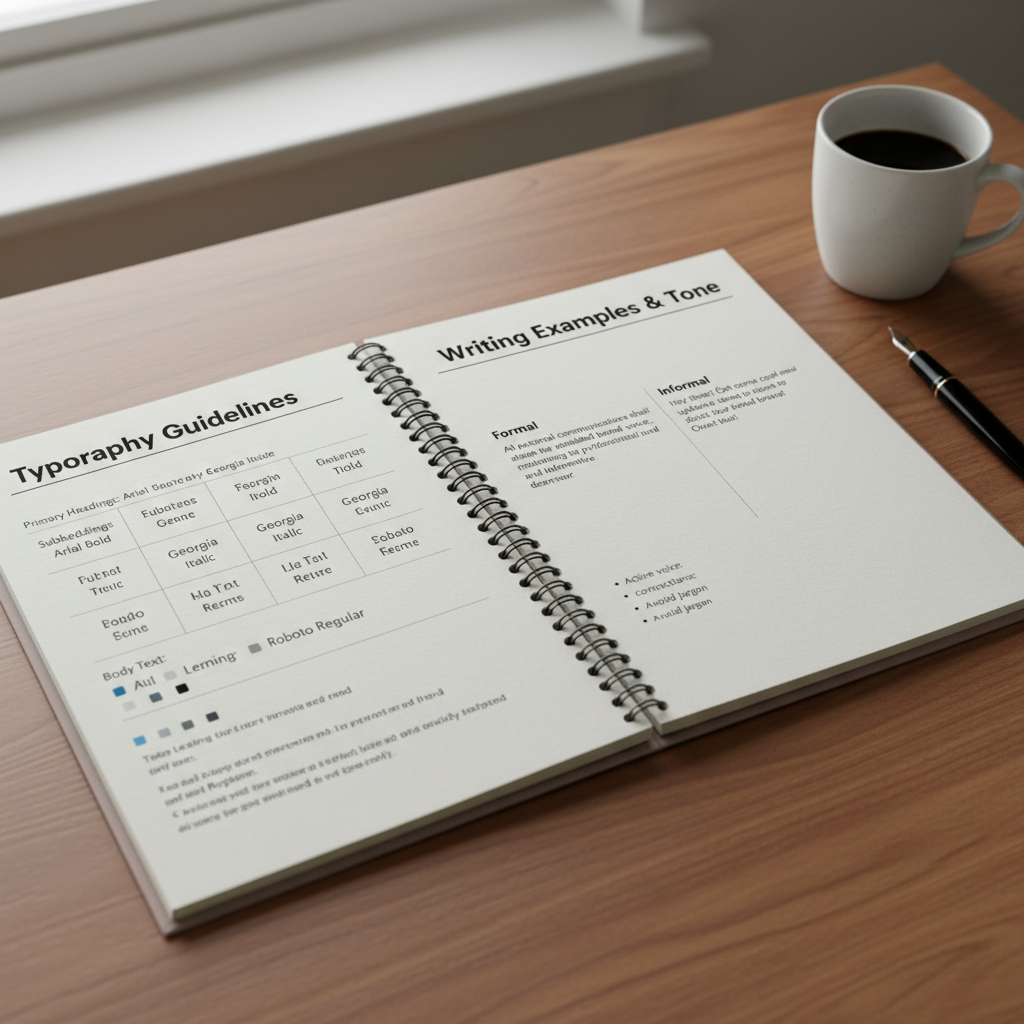
Style guide document showing typography rules and writing examples
style guide
Voice & Style Guide

Defined three voices: instructional (how-to), explanatory (concepts), referential (API docs). Each has distinct sentence length targets, verb tense rules, and code comment conventions.

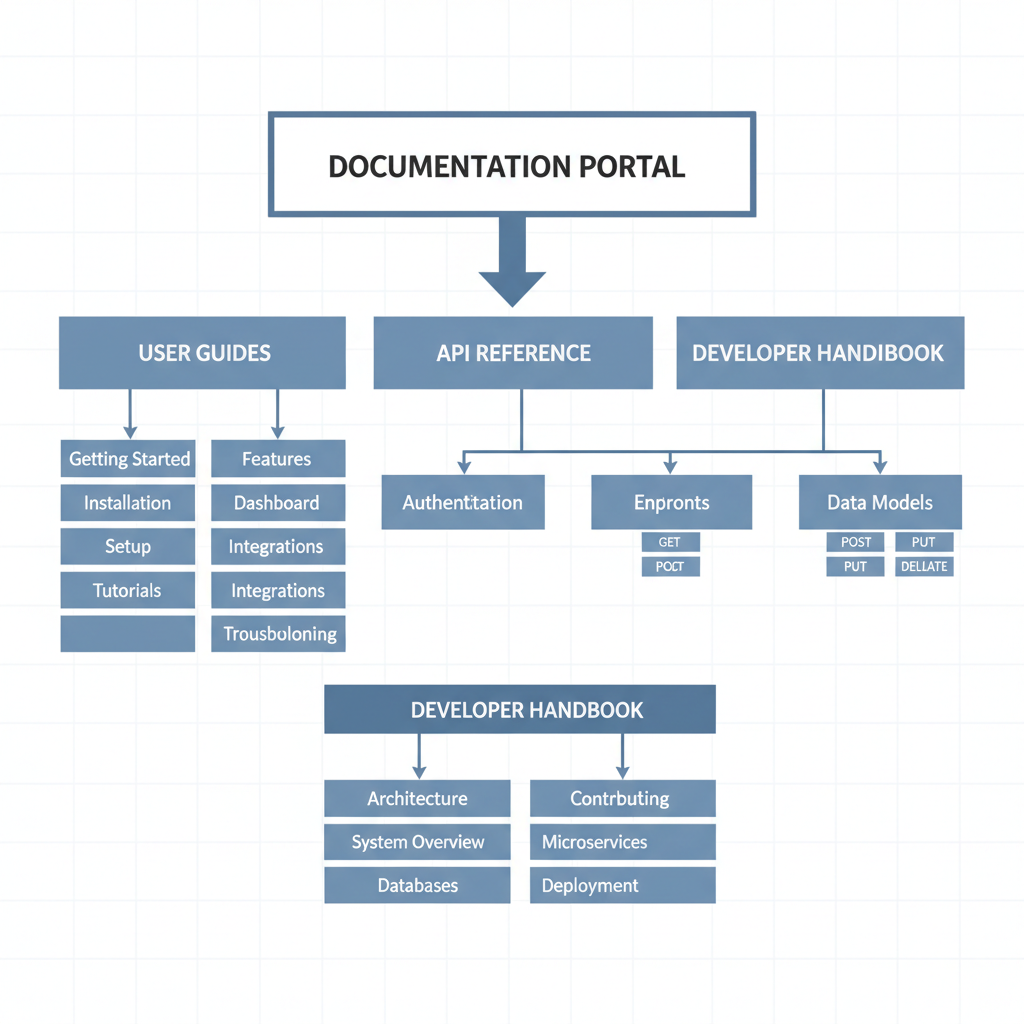
Information architecture diagram showing hierarchical documentation structure
before after
IA Redesign

Before: flat list of 60 pages in alphabetical order. After: four-tier hierarchy with clear entry points for different developer personas.

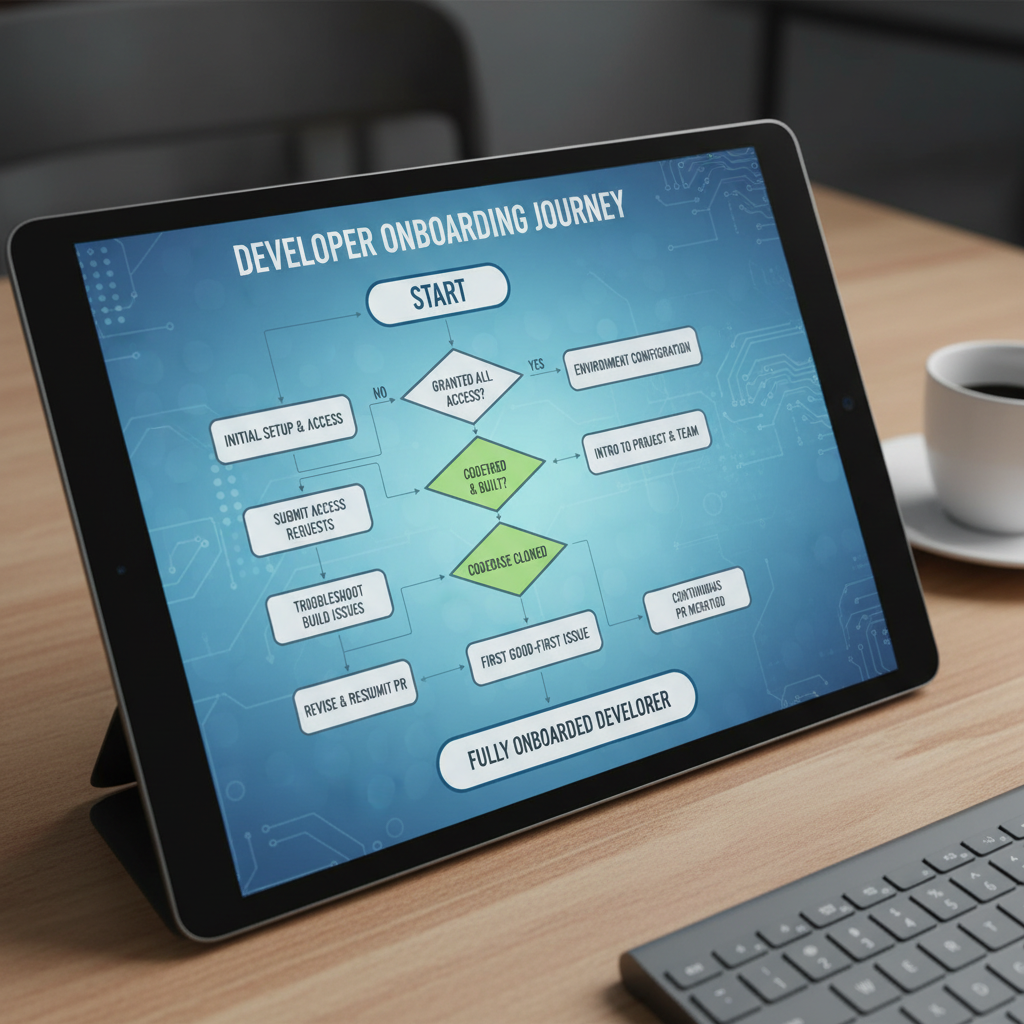
Flowchart diagram showing developer onboarding journey with decision points
audit
Onboarding Flow Map

Mapped every decision point in the developer onboarding journey. Identified 7 moments where the original docs sent developers to dead ends.

Live Diff Preview
- Returns error code 400 if invalid
+ Returns 400 Bad Request with error object:
+ code: "INVALID_PARAM"
+ field: "region"
+ message: "Must be one of: us-east-1, eu-west-1"
Documentation Samples

Browse the Archive

Anonymized work samples organized by type. Every piece was written for a real product with real users.

Dark terminal screen showing webhook event payload JSON structure
api reference
Anon · Fintech

Webhook Event Reference

Complete reference for 34 webhook event types with payload schemas, retry behavior, and idempotency patterns. Each event includes a real-world trigger scenario.

REST APIEventsFintech
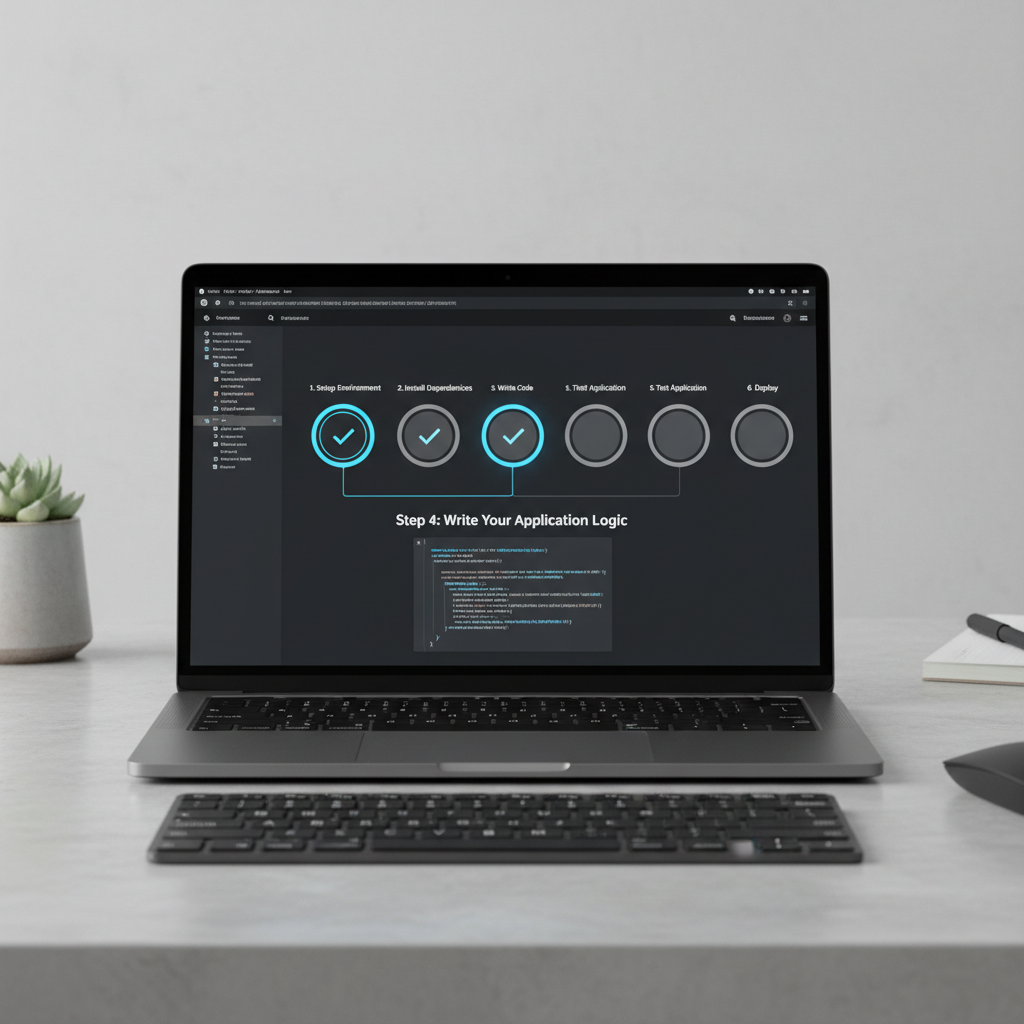
Laptop showing step-by-step developer guide with progress indicators
onboarding
Anon · DevTools

Zero-to-Production Onboarding

A 6-step guide taking developers from account creation to their first production deployment. Tested with 12 external developers; average completion 7 minutes.

OnboardingDevToolsQuick Start
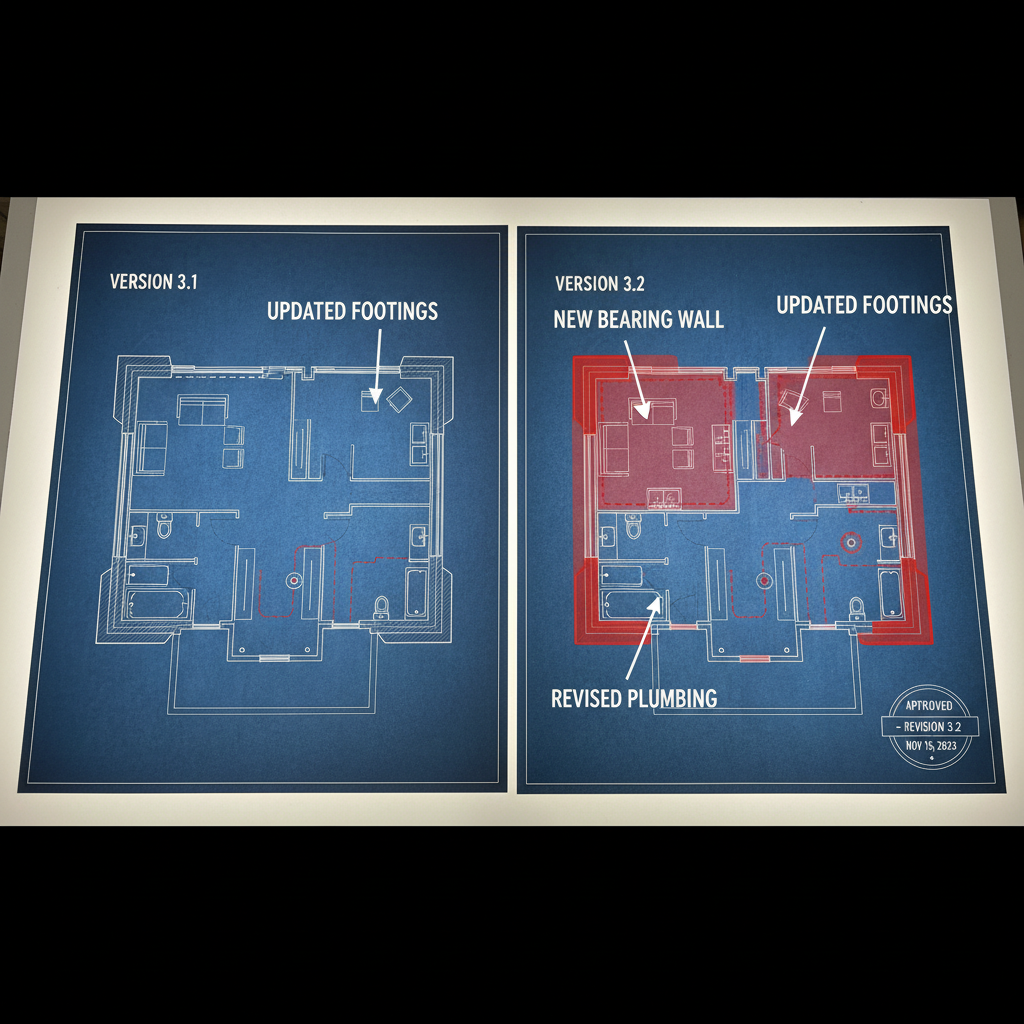
Code comparison showing before and after migration with highlighted changes
release notes
Anon · Infrastructure

v3 → v4 Migration Guide

Decision-tree migration guide for 23 breaking changes. Organized by what breaks, what changes behavior silently, and what is deprecated. Includes automated migration script documentation.

MigrationBreaking ChangesInfrastructure
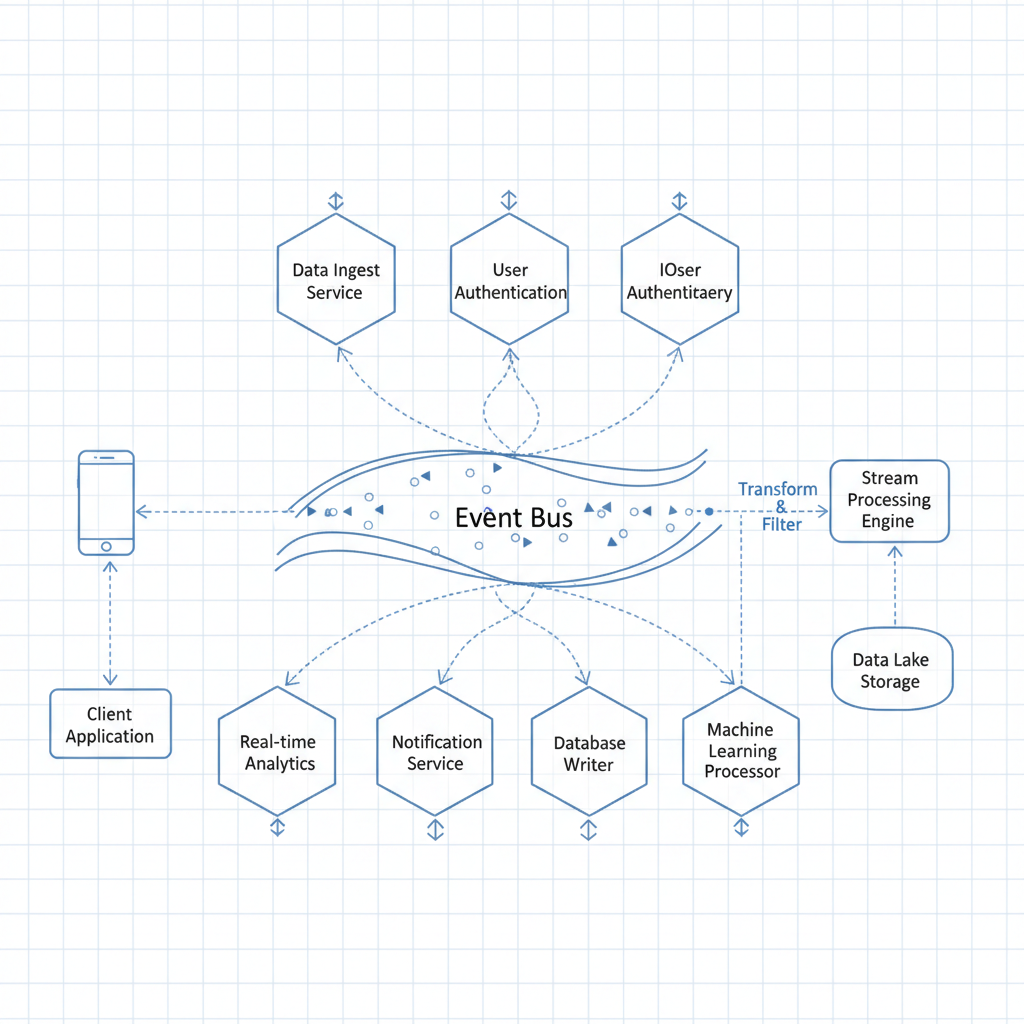
Architecture diagram showing event-driven system with connected nodes
conceptual
Anon · Enterprise SaaS

Event-Driven Architecture Explainer

Conceptual overview explaining the platform's event pipeline to developers with no prior EDA experience. Uses a postal system analogy progressively refined into technical accuracy.

ConceptualArchitectureEnterprise
Security shield icon with code showing authentication token flow
api reference
Anon · Security Platform

Authentication Deep Dive

OAuth 2.0, API key, and JWT authentication documented with flow diagrams, security considerations, and language-specific implementation examples for 5 SDKs.

AuthSecurityOAuth
Document template showing structured release notes with sections
release notes
Anon · SaaS Platform

Quarterly Release Notes

A template system for release notes that separates "what changed" from "why it matters" and "what you need to do." Reduces engineering time per release from 4 hours to 45 minutes.

Release NotesTemplatesSaaS
Client Voices

What clients say

We had 47 breaking changes and no migration guide. I gave the project to Folio on a Monday. By Thursday, our integration engineers were using the guide instead of asking me questions. That's the outcome I needed.
Marcus Reid, Engineering Director at Meshworks
Marcus Reid
Engineering Director · Meshworks
−58% support tickets
Our Notion pages were technically accurate and completely unreadable to anyone who hadn't built the product. Folio transformed them into documentation that made our developer platform feel trustworthy on launch day.
Priya Nair, Head of DevRel at Sift Labs
Priya Nair
Head of DevRel
84% onboarding completion
Our help center articles were technically correct but the support queue kept growing. Folio rewrote the ambiguous ones using the actual questions our customers were submitting. Ticket volume dropped within two weeks.
Daniel Osei, Product Manager at enterprise SaaS company
Daniel Osei
Product Manager
−41% repeat tickets

Download the full
case study PDF

A 24-page deep-dive into the Meshworks API documentation overhaul — methodology, artifacts, and measurable outcomes. No newsletter, no follow-up sequence.

Email used only to send the PDF. That's it.